Applications of Eddy Current Testing Equipment
Eddy current testing (ECT) equipment is used for various inspection tasks involving electrically conductive materials. Typical applications include the detection and identification of surface and subsurface cracks, material discontinuities, and other defects in various parts and holes, including cylindrical and complex-shaped ones. Eddy current flaw detectors are also applied to evaluate the electrical conductivity of non-magnetic materials and to measure paint and corrosion-protective coating thickness. This technology is additionally useful for inspecting weld quality by detecting surface-breaking and microcracks in welded joints. When operating under controlled inspection parameters, the equipment consistently delivers results suitable for routine industrial and maintenance NDT applications.
Applications of Eddy Current Testing Equipment
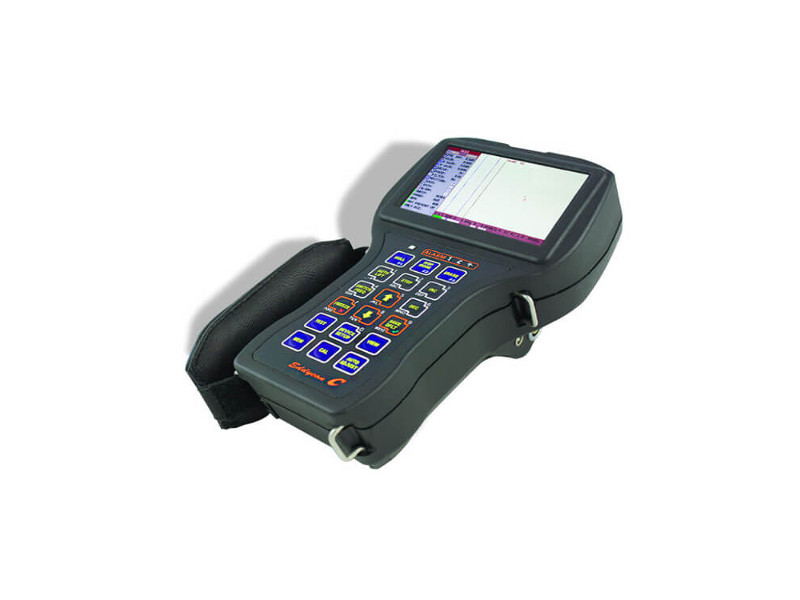
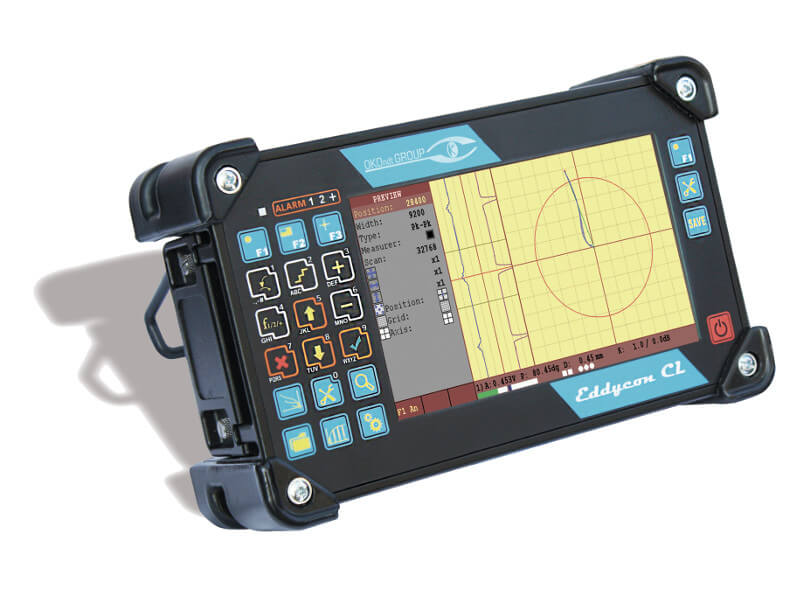
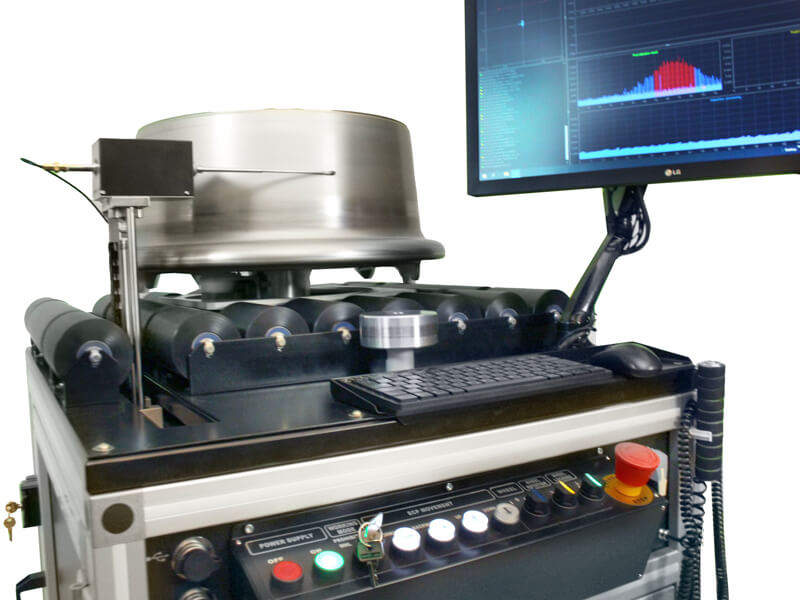
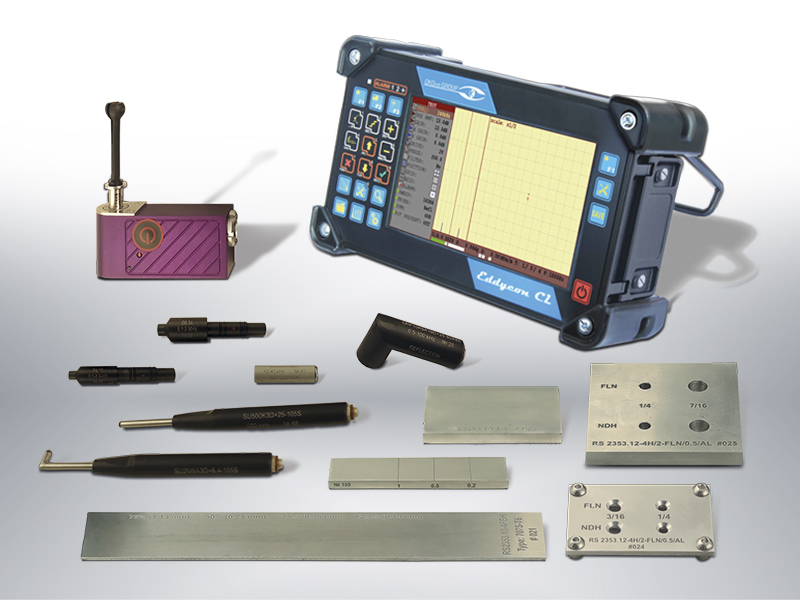
- Aviation: Eddy current flaw detectors are widely used for inspecting aircraft wheels, fastener holes, and critical components using eddy current methods. Automated aircraft wheel inspection is also performed using eddy current machines, like the SMARTSCAN FA. Portable testing equipment, such as the Eddycon C and Eddycon CL, is used alongside aircraft eddy current inspection tools. These tools include rotating bolt hole scanners and specialized probes. They support reliable crack evaluation during production and in-service maintenance.
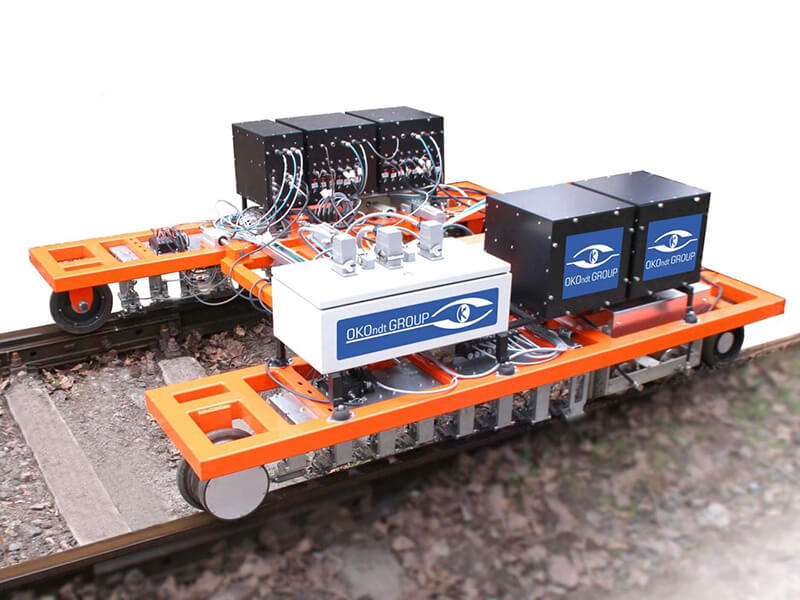
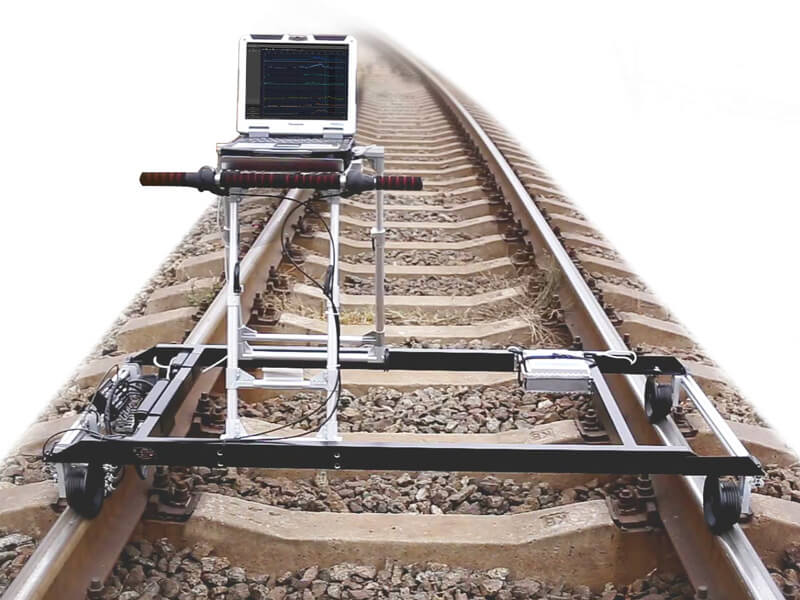
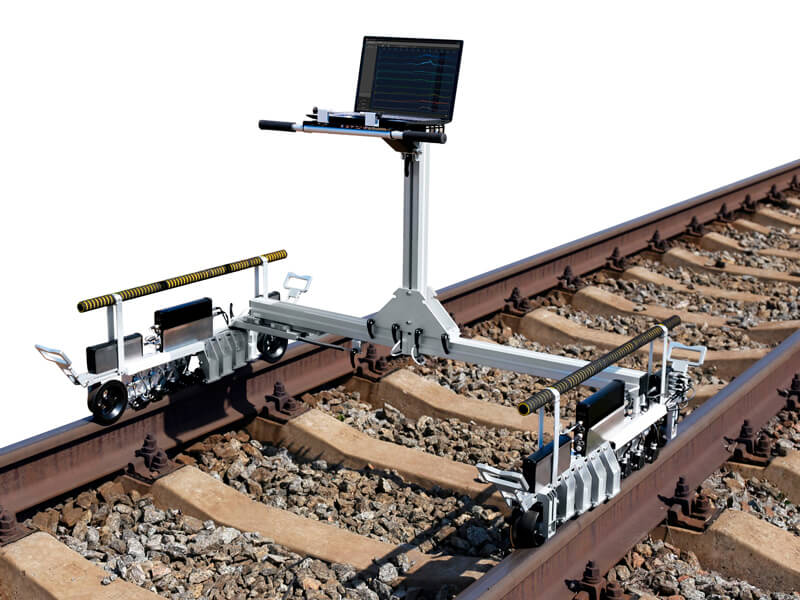
- Rail industry: Eddy current equipment is used for in-service rail testing. The OKOSCAN 73HS high-speed system can reliably detect rail surface defects, including transverse fatigue cracks, head checks, quench cracks, wheel burn, and active face delamination. Hand-pushed inspection carts, such as the double-rail ETS2-73 flaw detector and the single-rail ETS2-77, enable technicians to perform detailed local inspections at walking speed.
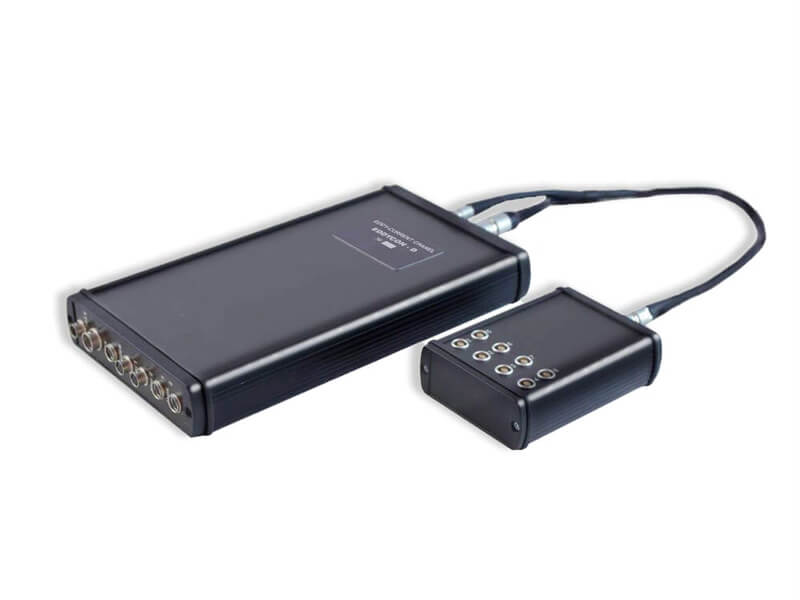
- Industrial manufacturing: In heavy industry, multi-channel eddy current flaw detectors, such as the Eddycon D, are used to design expandable NDT solutions with centralized process control. These systems achieve enhanced inspection performance through parallel signal acquisition across multiple eddy current channels, enabling higher inspection throughput and stable data processing. Multiple eddy current channels can be configured within integrated inspection lines by these systems, allowing adaptation to complex industrial inspection tasks. Solutions like these are integral to quality control of components in large industrial installations, such as bearings and mill rolls. Eddy current systems can operate as standalone inspection units or be integrated with other NDT methods in hybrid inspection systems to enable a comprehensive evaluation of critical components and structural elements.
Features of Eddy Current Flaw Detector Operation
The operation of eddy current testing equipment is based on an electrical coil integrated into an eddy current probe that is energized by an alternating current from a flaw detector. This coil generates an electromagnetic field that induces eddy currents in the surface layer of an electrically conductive material. Defects, material properties, or geometry cause variations that disturb the current flow. These variations result in measurable changes in signal amplitude and phase. The flaw detector processes and displays these changes for defect detection and evaluation.
This operating principle provides high-accuracy, repeatable inspection results with minimal dependence on operator technique. It enables the reliable inspection of components with complex geometries and limited access where other NDT methods may be less effective. Signal response analysis supports the differentiation and characterization of defect types, thereby improving the reliability of defect evaluation. This method also ensures safe inspection conditions for operating personnel.
Selecting appropriate coil configurations and adjusting the test frequency optimizes inspection sensitivity and penetration depth for evaluating surface and subsurface flaws in flat, cylindrical, and complex-shaped components.
Advantages of Eddy Current Flaw Detection
- Versatility: Eddy current flaw detectors support multiple inspection tasks, including flaw detection, evaluation of electrical conductivity in non-magnetic materials, measurement of paint coating thickness, and eddy current welding quality inspection.
- Non-contact inspection: The eddy current testing probe does not need to be pressed against the component, enabling inspection directly in motion—for example, at high speeds during conveyor testing of tubes or wire. Cracks can be detected through paint, varnish, or insulation layers several millimeters thick, eliminating the need for surface cleaning down to bare metal.
- High sensitivity: The method reliably detects very small surface and subsurface cracks, including early-stage microcracks that are difficult to identify visually or by other NDT methods.
- High inspection speed: Inspection results are available in real time, allowing rapid assessment of component condition during production or in-service testing.
- Clean inspection process: Unlike ultrasonic testing, no couplants such as gels or oils are required. The inspection process is clean, with no contamination and no need for post-test cleaning of components.
Eddy Current Testing Equipment for Sales and Project Development
OKOndt GROUP manufactures a full line of eddy current testing equipment and develops customized solutions for companies that use eddy current flaw detectors for maintenance, production control, and product quality assurance. Our catalog features a wide variety of eddy current machines and portable testing equipment, including rotary-type testers and specialized NDT products for aircraft, rail, and industrial applications.
For details on eddy current flaw detectors and pricing, please complete the inquiry form. Our specialists will help you select the optimal configuration of ECT equipment for your specific inspection and industrial needs.